

Summer Reads

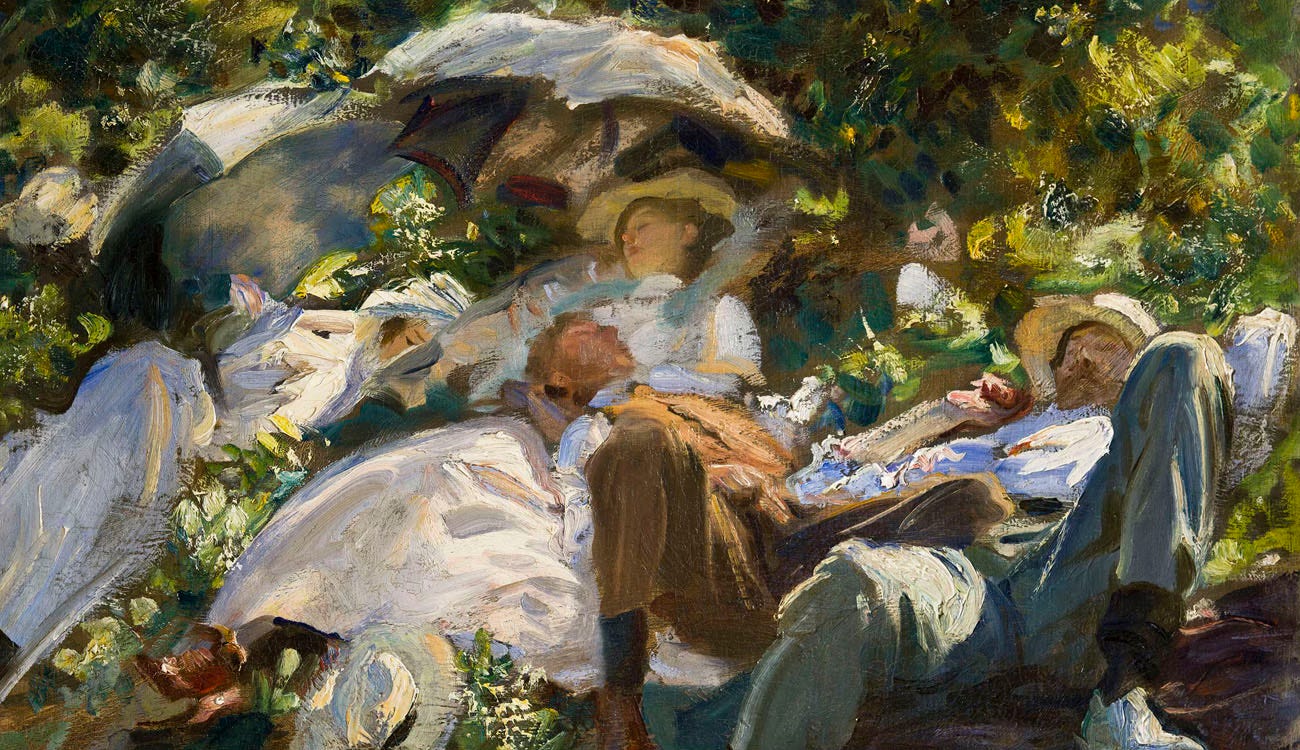
It’s been such a treat to have so much time to read this summer; taking a solo trip and doing lots of travelling on planes and trains has given me ample opportunity to make a proper dent in my enormous pile of books waiting to be read, as well as catch up on the latest bestsellers and explore some new areas of interest.
My book of the summer has been Braiding Sweetgrass by Robin Wall Kimmerer, which has been slowly gathering a thin film of dust on my bedside table for about two years (the shame). I felt that it would be the perfect book to take on my trip to the Pacific Northwest, seeing as I would be spending a lot of time in nature, and in some locations that are specifically mentioned as part of Wall Kimmerer’s explorations of what we can learn from Native American communities’ connections with the landscape. I am no botanist and my knowledge of science is limited to what I can vaguely remember from doing my GCSEs over twenty years ago, so I was initially concerned I might not be able to follow the book, but I needn’t have worried. Wall Kimmerer writes with such poetic beauty about what nature can teach us about itself, and about us, and makes a compelling case for hope in the possibilities we have to help heal the Earth from the damage we have done to it since industrialisation. Her connection to nature goes beyond scientific knowledge, to an experiential knowing based on mind, body, emotion and spirit. This multiplicity of knowing is an essential part of Native American culture, and she talks very powerfully in the book about how in the early years of her career, she was ridiculed for viewing plants as sentient beings, with inherent knowledge and understanding of their own, and forced down a route of thinking that engaged only the mind in her research (interestingly, this is something the prominent British nature writer Robert Macfarlane explores in his new book Is a River Alive?). Over years, Wall Kimmerer has regained that connection and shown how meaningful it can be in understanding why plants behave in the way they do in different environments, and her case studies in the book - particularly relating to sweetgrass - are a compelling example of how intuition and emotion can be just as important a part of scientific enquiry as what can be measured objectively.
Bringing the mind-body-spirit connection back to the relationship between man and nature is what Wall Kimmerer argues is essential to create healing on the Earth, but this is a two way street - as much as we need to nurture and protect our Earth, it needs to be enabled to nurture and protect us, and we as humans benefit so much from what the Earth can offer us. It is a symbiotic, equal relationship - if we allow it to be. If we all viewed nature as being as sentient and worthy of respect as our fellow humans, we certainly wouldn’t be treating it with the callous abandon we currently do, in polluting, concreting, burning, cutting and so on. I found myself utterly absorbed in this wonderful book that has so much to say about the interconnectedness of everything on this Earth, and our role as individuals in preserving those precious chains of connection between all living things. I also loved what she had to say about her role as a professor, and what she has learned over the years about experiential learning and the impact of her students discovering for themselves what nature can offer, by taking them out into the woods and the mountains and giving them the opportunity to do and find and uncover and make connections for themselves. As a fellow educator, I was inspired and encouraged by the role we can have as teachers in enabling children and young people to discover their own relationship with the world around them, and I have underlined so many passages to discuss with my colleagues when I get back to school. I haven’t been so affected by a book in a very long time, and really encourage everyone to read it.
Fiction-wise, I’ve powered my way through a wide variety of books I’ve enjoyed over the past few weeks - Small Bomb at Dimperley by Lissa Evans was a charming and absorbing bit of escapism, set in a country house during WWII - she writes so well and creates such fantastic characters - the legacy of her days as a screenwriter - and I loved every minute of it. Penelope Lively’s Consequences accompanied my plane journey to Seattle - my mum gave it to me and said she had loved it, but she hadn’t warned me how sad it was - I had to choke back my tears! The story of three generations of women in the same family, starting just before WWII, it was marvellous and unputdownable - the perfect accompaniment to a long journey. I found Deborah Levy’s August Blue a really interesting and intriguing novel, but had less success with Hot Milk, whose protagonist lacks any real personality and so I couldn’t engage with the story at all - I had the same experience watching the film at the cinema, and I have to say I thought it was a mistake on the part of the screenwriter to not add layers to the character that are sorely missing in the novel. Persephone’s newest book, Crooked Cross by Sally Carson, is a devastating exploration of how the rise of Nazism rips a family apart in 1930s Germany - a rediscovered, almost entirely forgotten classic, Carson’s prescience in seeing what Hitler was going to become and her clear-sightedness in showing how the conditions in Germany at the time enabled ordinary people to become monstrous in their behaviour towards their neighbours and friends is astonishing - it’s amazing to think this was published in 1934. It’s not an easy read, and I found it emotionally very hard - especially in our current political climate - but it is absolutely a necessary one and I encourage everyone to get hold of a copy.
I really enjoyed Yael van der Wouden’s debut novel, The Safekeep, winner of this year’s Women’s Prize for Fiction, which also explores the impact of Nazism, but in quite a unique way. Set in the Netherlands in the 1960s, it seems to be the story of two very different women unexpectedly falling in love - before a fascinating twist shows that this is not really what the book is about at all. It’s beautifully written, and opened my eyes to a part of Dutch history I knew very little about. It’s a very worthy winner of the prize and I’m glad I wasn’t my usual sniffy self about prize winning books, and actually read it straight away rather than waiting ten years to deign to give it a go! Finally, I spent a day utterly immersed in Rumer Godden’s heady and sensuous Black Narcissus - it explores what happens when a group of nuns set up a convent in a former palace in the Himalayas, which has been recently abandoned by an order of monks under mysterious circumstances. Legends abound about the place having ‘bad energy’, but the nuns, led by the proud Sister Clodagh, are determined to make a go of things and pay no heed to the warnings they are given. However, soon they find that they too are falling under a strange spell…and no prizes for guessing that things are not going to end well for them! I loved it - and it’s reminded me that I must read more of Godden’s backlist. She is such a fabulous writer.
There is nothing better than a long lazy summer of reading, is there? My imagination has been full to bursting, and I’ve so enjoyed being able to flit in and out of so many worlds. I’m now very much on a roll with nature writing, and have a pile of books I’ve bought to further my knowledge of the ideas to which Wall Kimmerer has introduced me. Hopefully, with the start of the new school term approaching, I won’t end up letting them gather dust for quite as long as I let Braiding Sweetgrass!
Hello Rachel,
Just a quick question - are you still blogging or was this your final post?
Really hope not - I've just finished going through your archive and absolutely loved it!
Oh no.. I was hoping to avoid reading The Keepsake (and The Names)...I've been very disappointed by so much brand new fiction recently...but now I'll have to give it a try!