

Looking up

This weekend I read an article in a magazine I enjoy, The Simple Things, all about looking up. Apparently we don’t do it very often, and yet much of what is wondrous to behold - the stars, the light suffusing through tree canopies, Victorian chimney pots - is situated above our natural eyeline. Looking up offers a different perspective, and a new way of relating to your surroundings. I was inspired by this, and decided to look up and around more fully today as I went for an afternoon stroll in the autumnal sunshine. The end goal was the supermarket, but I took a circuitous route to take in the Oxfam bookshop (I was very good and didn’t buy anything) and the bakery (to get a hot chocolate, because it’s officially cold enough for one now). Fortunately for me, the supermarket, bookshop and bakery are all in Bloomsbury, and only 15 minutes from my flat, so I appreciate that my walk to the supermarket is probably more scenic than most. However, I was surprised by how much I noticed on this walk by looking up and actually paying attention to my surroundings - I’m so familiar with my neighbourhood, that I barely look at anything anymore, not even the British Museum - I’m normally listening to something on my headphones, dodging tourists and in a rush, so today’s leisurely pace and intentional focus on actually being rather than doing was a wonderful opportunity to see everything afresh.
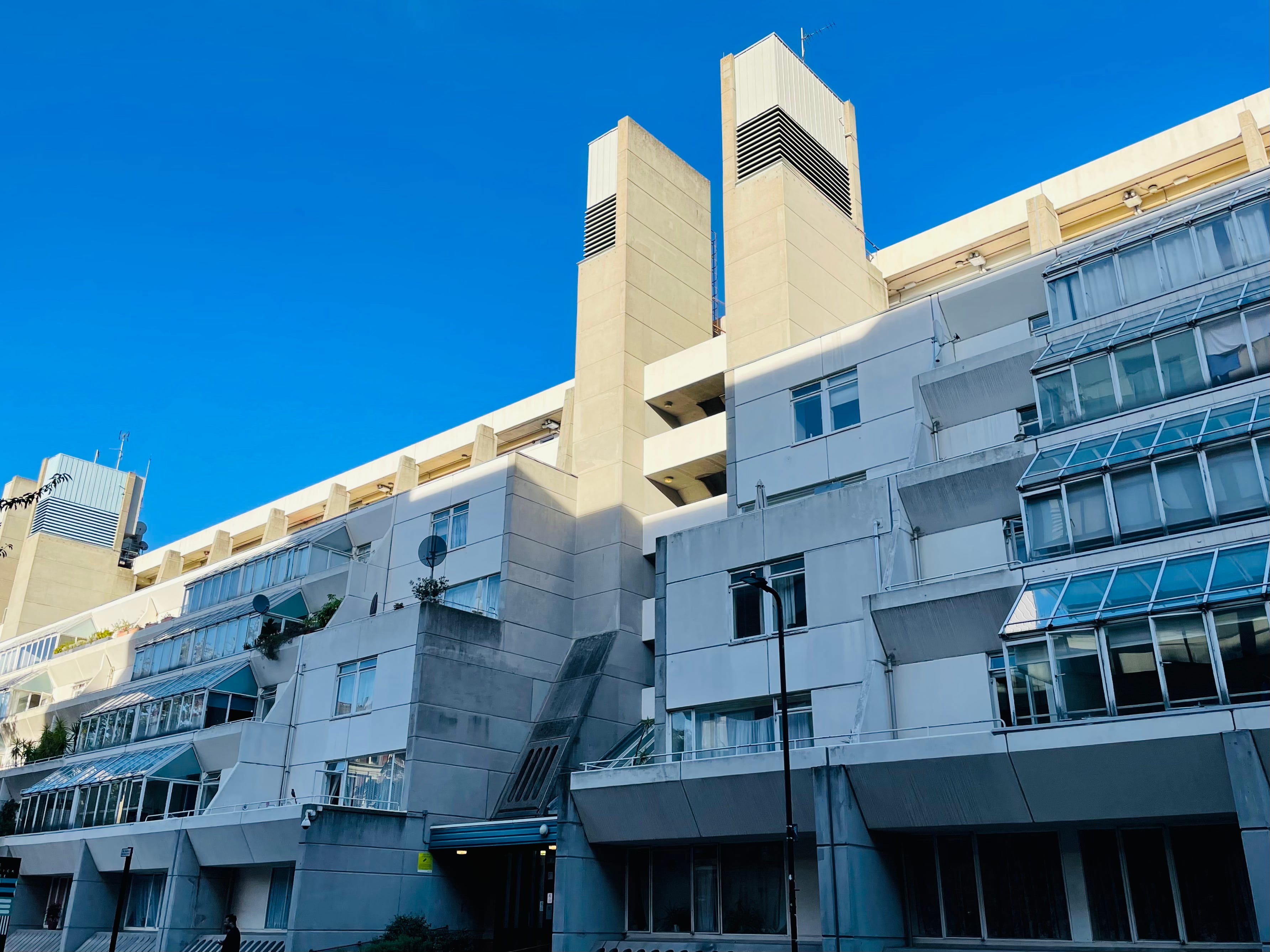
It was a crisp, blue sky day in London today, and as I didn’t go out until after lunch, the sun was hitting the tops of the buildings - perfect for my looking up activities. My first port of call was the Brunswick Centre, whose modernist lines look their best in sunlight, and never cease to look slightly surreal, surrounded as it is by down-at-heel, smut-stained Georgian and Victorian terraces, and 1930s mansion blocks. I am a huge fan of 1960s architecture, and enjoy the contrast - and the idealism - of this development, which mixes residential, social and commercial space, and is largely local authority housing, meaning that the flats are rented at a reduced rate. It is a continuation of Bloomsbury’s history, which has always been a neighbourhood where people from a variety of social backgrounds have lived alongside one another - and one that has never been afraid to change and adapt with the times.
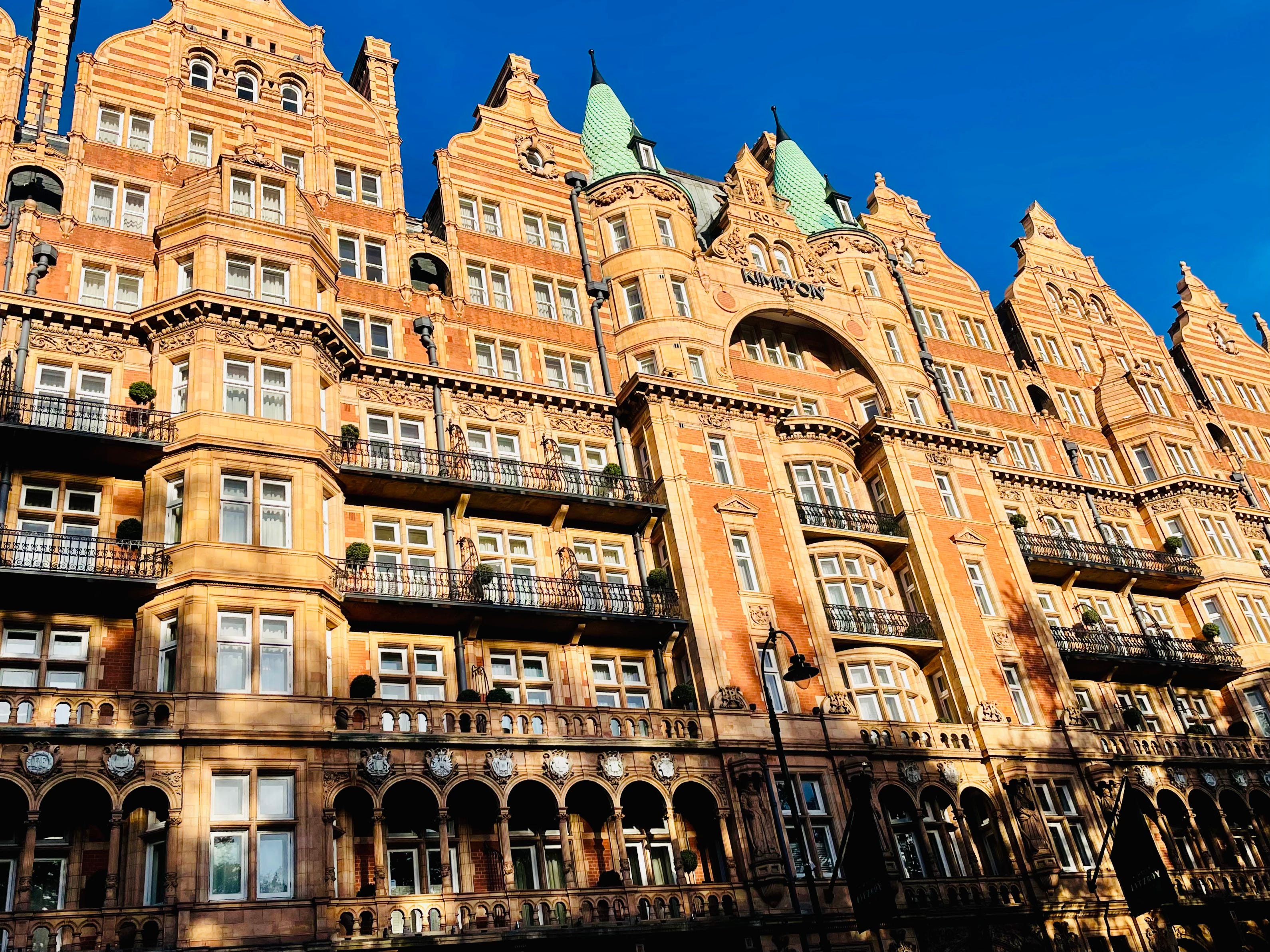
I got my hot chocolate from the bakery, and then made my way across Russell Square while sipping it, enjoying the view of the bronze-tinged trees as I did so. I used to work on Russell Square, and spent plenty of time idly staring out of my classroom window over the years, but even this familiarity didn’t prevent me from noticing new things today. Russell Square started out as a uniform Georgian square, the grandest of all the Bloomsbury squares conceived by the Duke of Bedford, but today it is probably the most varied of them all in its mixture of architecture. Some of this is as a result of bombing, but it was already much transformed from its original layout by the end of the 19th century, thanks to the arrival of Kings Cross Station just down the road, making Bloomsbury a prime spot for hotels. I love the terracotta-fronted hotel on the north side of the square (built on the site of Emmeline Pankhurst’s house), whose elaborate wedding-cake detailing is so emblematic of the more-is-more aesthetic of the late nineteenth century. In the late afternoon sunshine, the terracotta glows beautifully, and the impressive work of those who carved this tricky, easily damaged clay is made clear to see.
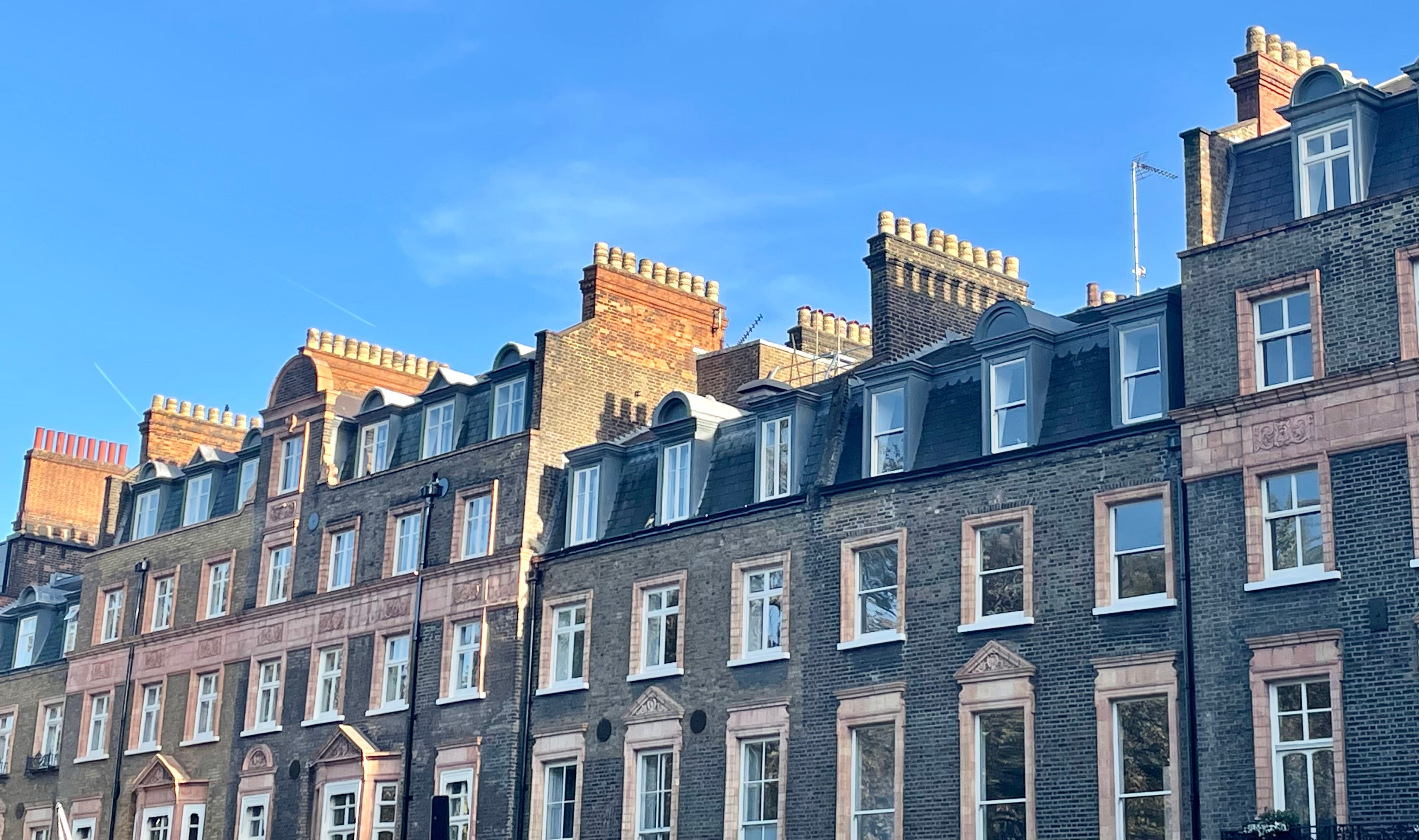
Many of the Georgian terraces that survive were pimped up in the nineteenth century with terracotta facings, and these are interesting to notice as you walk along the West side of the square. On the south side, abutting the side of the British Museum, are the only original houses left - much simpler, dark bricked terraces that now house many University of London academic departments. As I crossed the road, coming out of the gardens in the middle of the square, I stopped, looked up, and took a photo of the chimney pots. I’d never noticed just how many there are before, for each building. All those fireplaces in one house! It made me think of how much work it must have been for the servants to keep these houses going when they were first built. Fires in every room, constant smoke and smuts both from inside and out - not to mention the coal to be hauled up several flights of stairs. What a life!
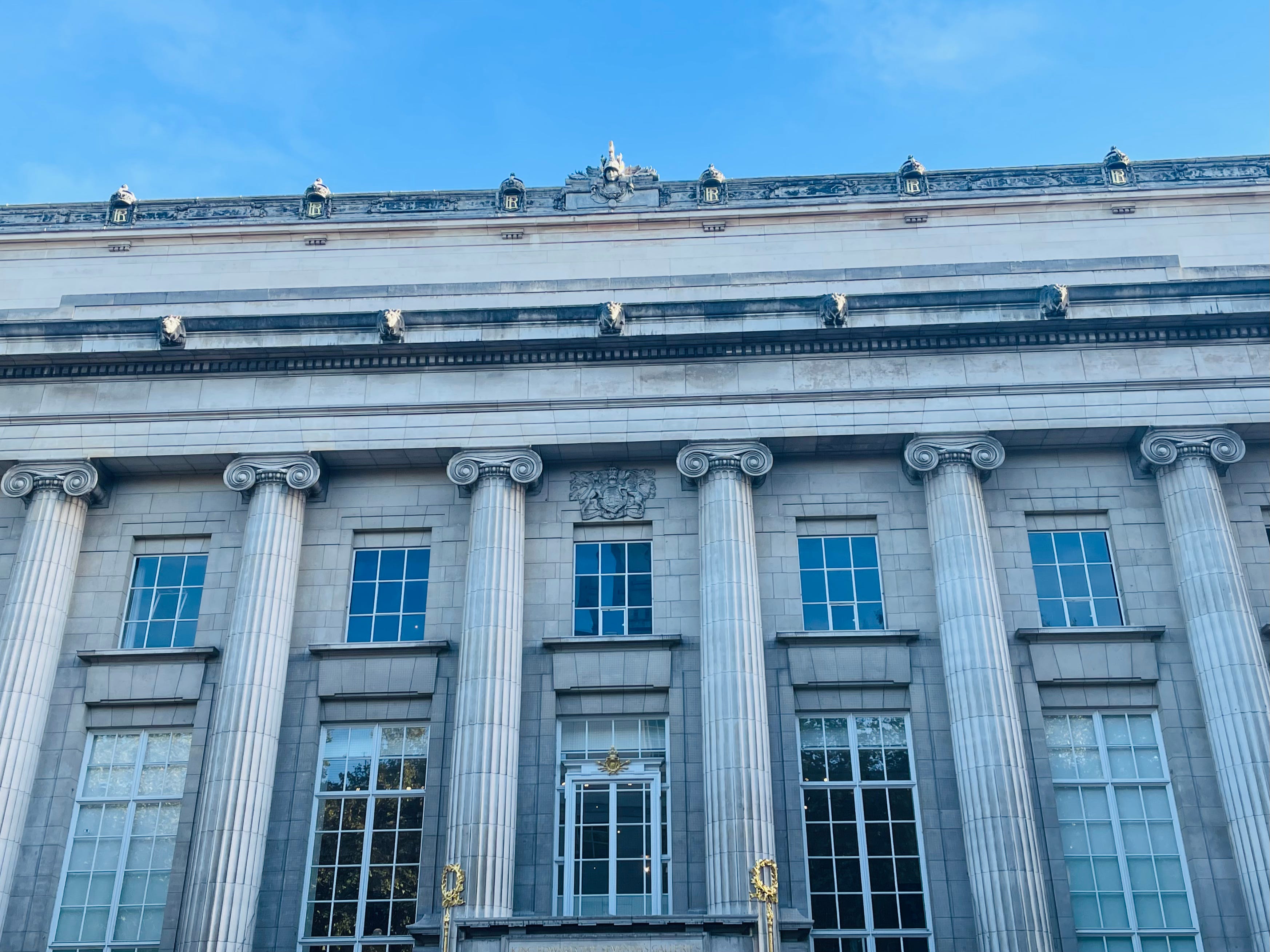
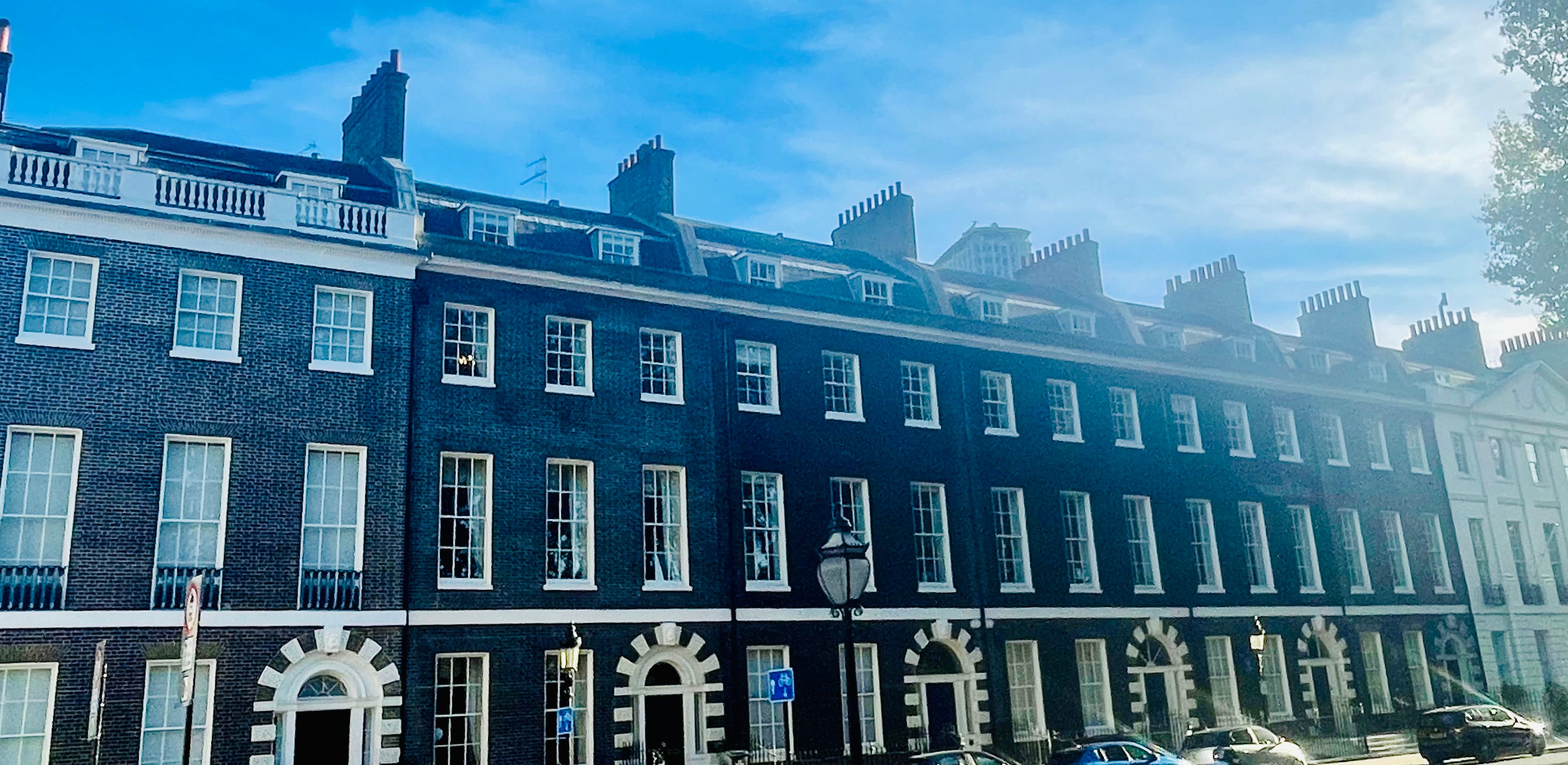
I walked past the British Museum - such a beautiful Palladian frontage - and down to the Oxfam bookshop, and then back up Gower Street, once home to so many luminaries - Millicent Garrett Fawcett, the Pre-Raphaelite Brotherhood, Charles Darwin, Charles Dickens, etc - past Bedford Square, where I also used to work, and which is the only complete (non bomb damaged) Georgian square left in Bloomsbury, and worth a blog post on its own . I stopped to take a photograph of a few of the houses, noticing the subtle differences in each one. At first glance, they seem very uniform, but a closer look reveals slightly different balconies, chimney pots, little bits of moulding or other decoration, various fan light patterns above the door, etc. This is because when they were first built, the building company offered them for sale, ‘off plan’, before they were finished - much like modern housing estates today - and so the first occupants of Bedford Square were able to choose some elements of the exteriors of the houses for themselves. Building catalogues from the time show the range of door mouldings, balconies, etc. people could choose from, all at different price points. I like to think of the original owners picking their fixtures and fittings, trying to one-up the neighbours as they did so - there’s nothing that shows upwardly mobile middle class ‘keeping up with the Jones’’ like a slightly fancier balcony than next door!
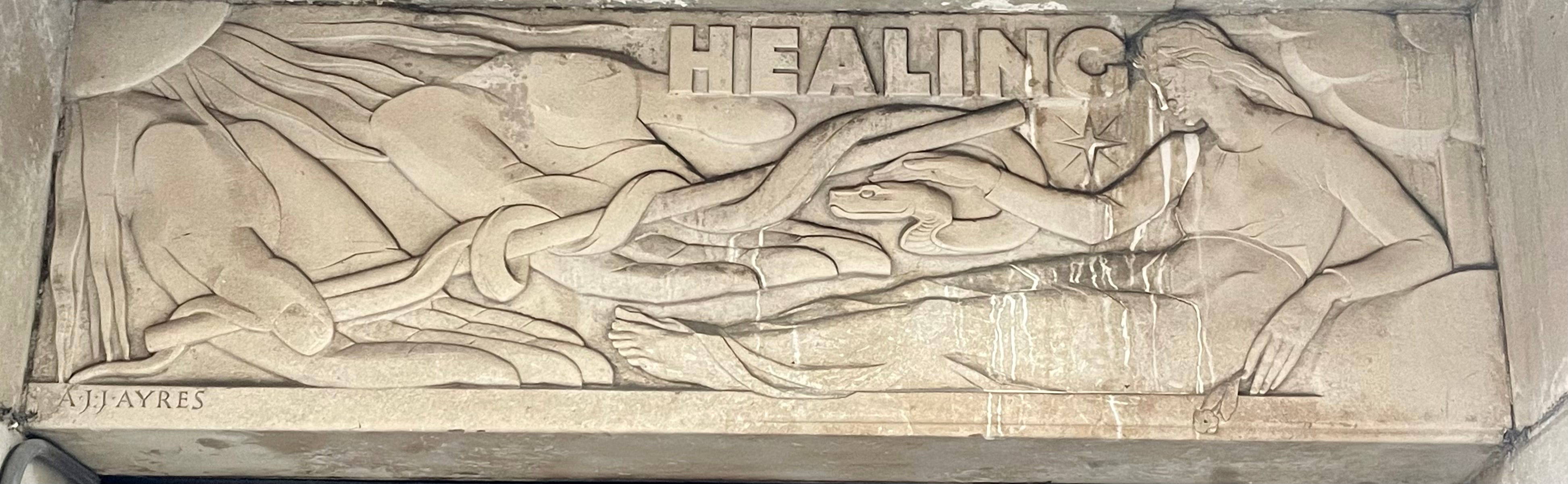
I wended my way back towards the Brunswick Centre (location of the supermarket) via the rear entrance of the British Museum, which is quite the contrast to the famous front. I had never really properly looked at it before today, and I noticed for the first time the design features that tie it to the earlier parts of the building. Built in the Edwardian period, this extension and new frontage is flat and less grandiose than the original, but the use of moulded pillars and a portico is a nod to its Grecian style origins, while having the rather solid no-nonsense air of early 20th century architecture. I rather like the contrast. It’s always interesting to see, within the same building, how architectural fashions change over time. Speaking of which, a walk through nearby Queen’s Square is a fascinating education in the changing face of the architecture of public health. Queen’s Square and Great Ormond Street, which runs to the north of the Square, are well known for their hospitals. Queen’s Square has the National Hospital for Neurology and the National Homeopathic Hospital sitting side by side on the north side of the Square, while Great Ormond Street Hospital for Children takes up other buildings across the road and all of one side of Great Ormond Street. A huge portion of the National Hospital for Neurology is a great big hulk of a red brick Victorian monstrosity, whereas the other portion is a 1930s extension, with huge windows and balconies to let in plenty of fresh air and sunlight. There are lovely stone carved murals above its doors, illustrating ‘healing’ and ‘research’ - the healing image illustrates sunlight, emphasising how much more important fresh air, sunlight and nature had become to ensuring good health by the 1930s, as opposed to the gloomy and dark wards of the Victorian hospital at the other end of the street.
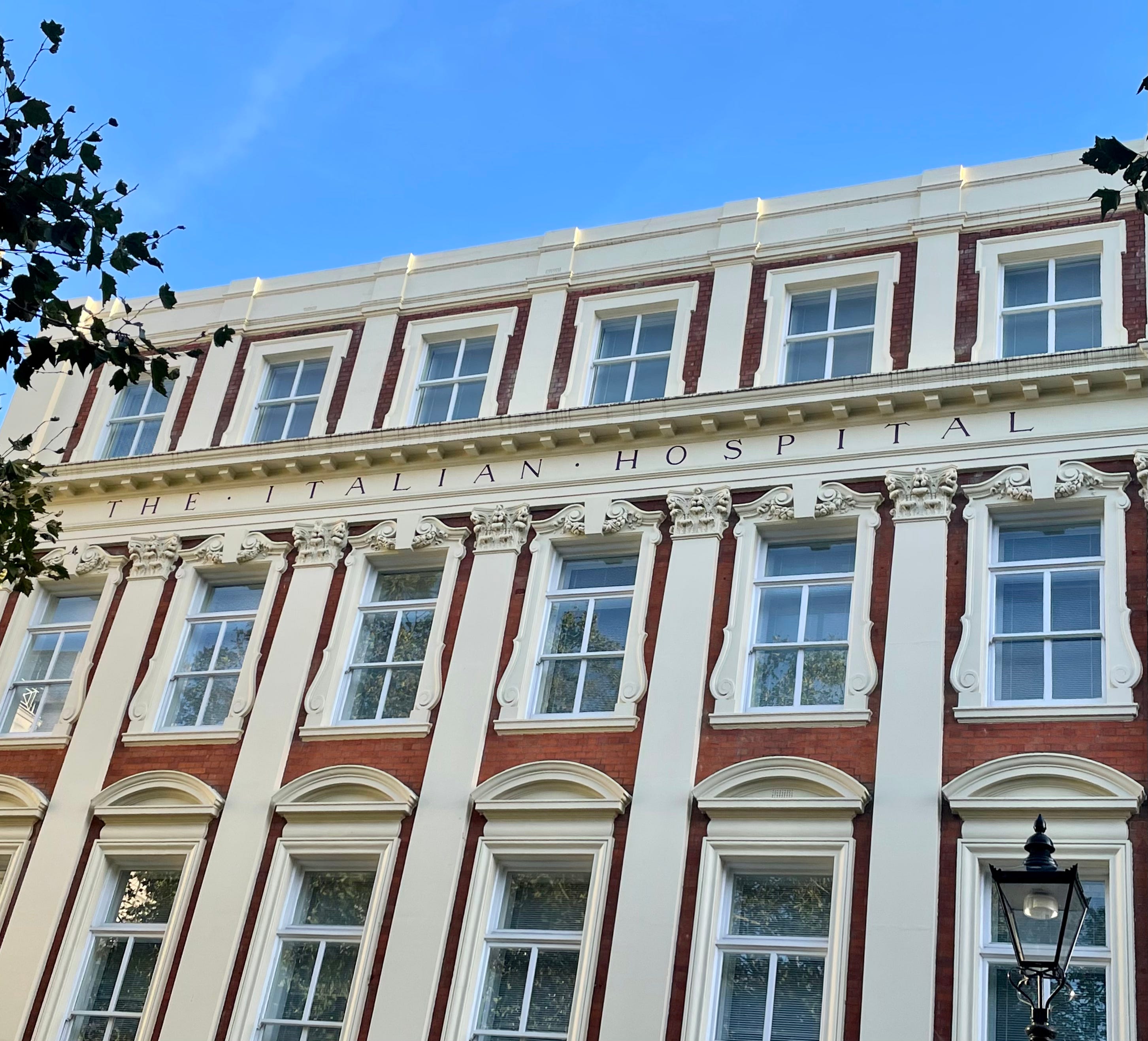
On the other side of the Square is another nineteenth century Great Ormond Street hospital building, which I’d never paid much attention to before. Looking up, I saw that above the sign for Great Ormond Street was another sign, carved into the building - ‘The Italian Hospital.’ I hadn’t known such a place existed! A Google later, and I found out that it was founded in 1884 by an Italian businessman, for Italian immigrants to London who couldn’t afford medical care. This link has more information - check out the headgear on the nurses in the photo from 1903! It just goes to show - there’s always something new to discover on your own doorstep, and it makes total sense for there to have been an Italian hospital in Bloomsbury, as there was a considerable Italian population in Clerkenwell and Holborn in the 19th century - there are two large Victorian Italian Catholic Churches just a stone’s throw from my flat.
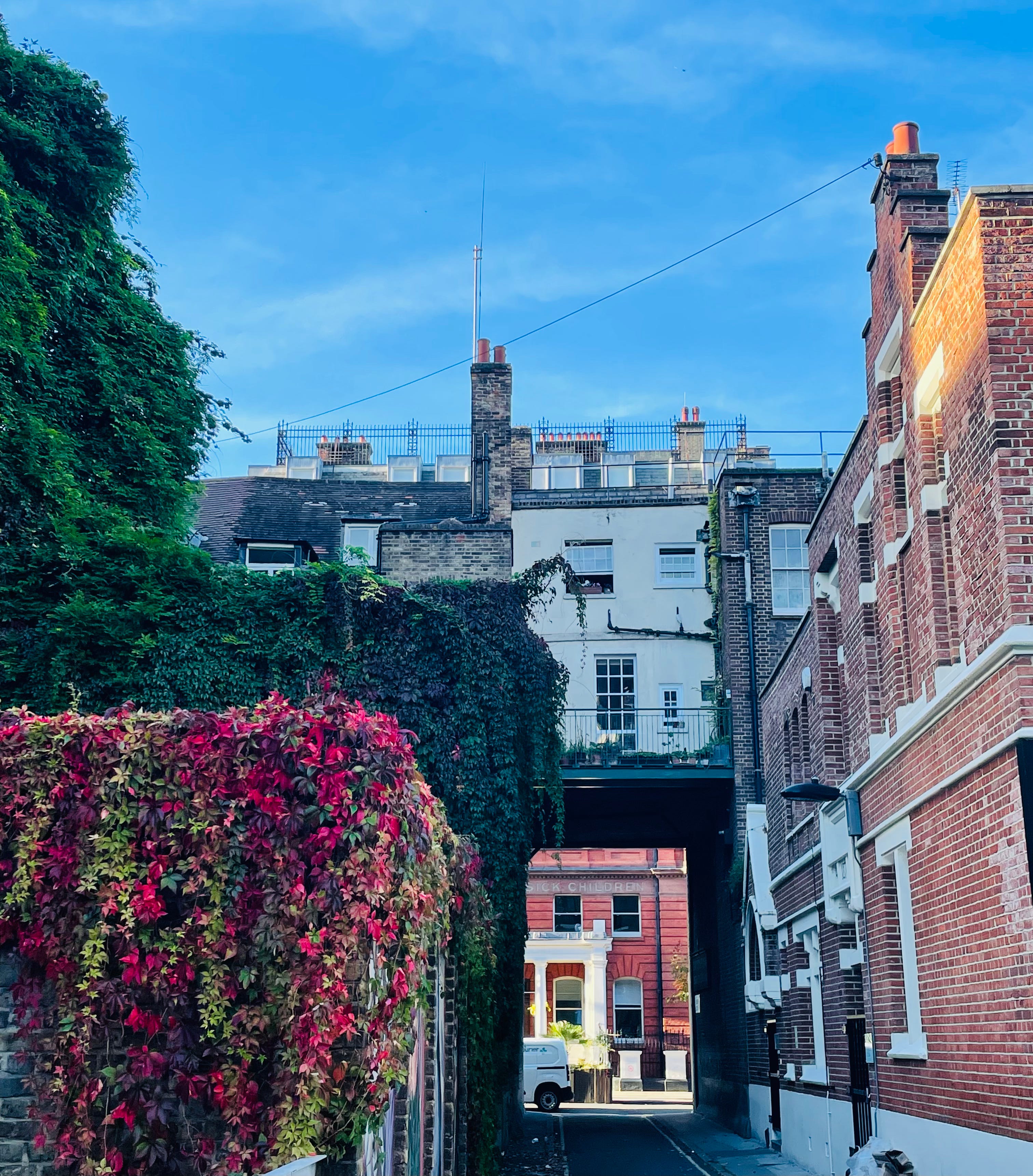
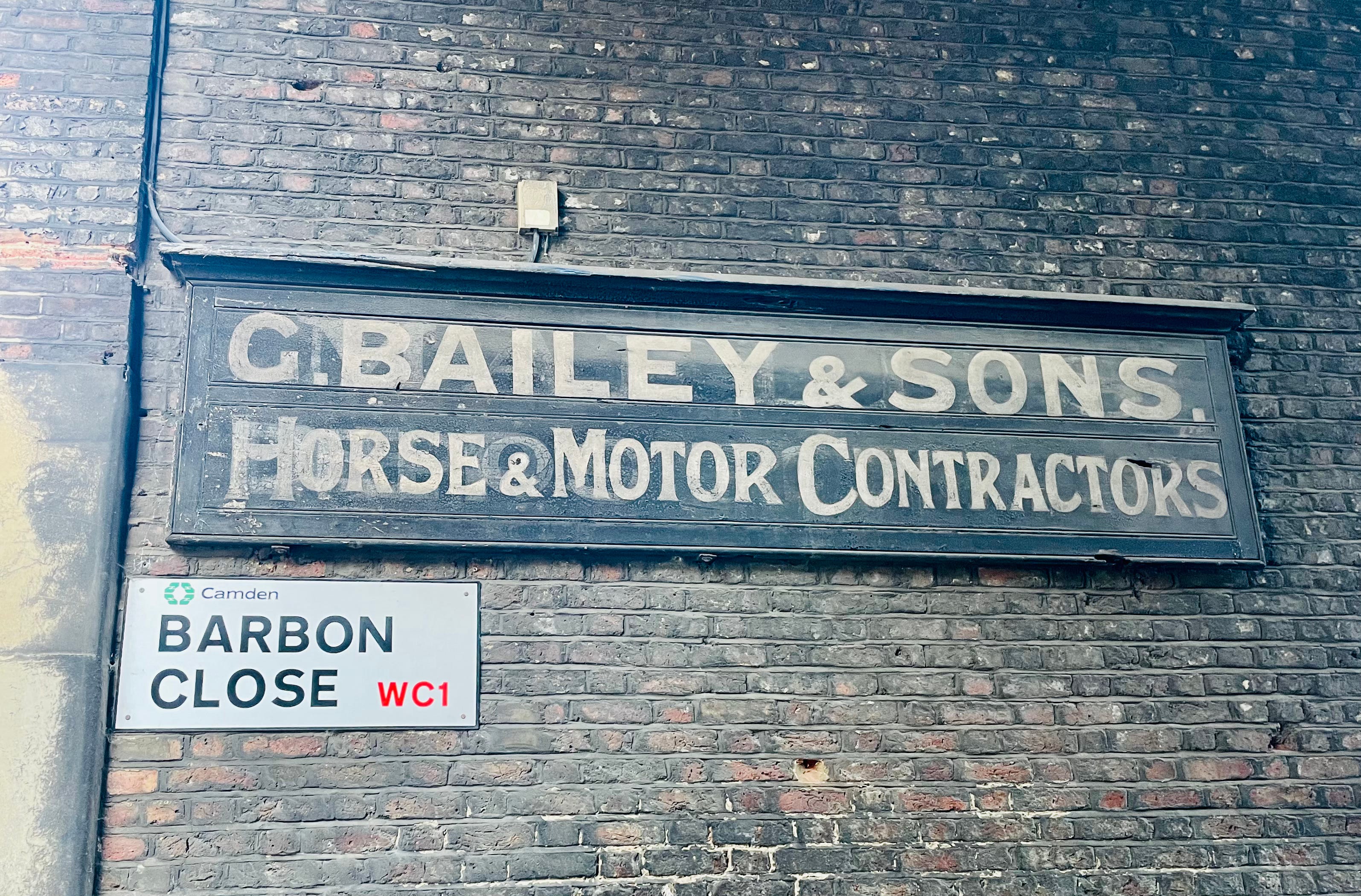
As I made my way up Great Ormond Street, I stopped to look down a little alleyway - and found a wonderful Victorian sign for a coach builder, which I must have seen before, but forgot was there. A glimpse down the cobbled alleyway shows what must have once been the coach builder’s premises, now a private home, and a 1970s council estate - not as inspired as the Brunswick, sadly, opposite which is a Victorian equivalent - a yellow brick terrace of houses for the poor of the district, which is still largely social housing today. Walking back to the Brunswick from Great Ormond Street allows you to walk past the Colonnade, one of Bloomsbury’s few remaining mews, complete with its cobbles and horse hospital (built for the sick horses of London cab drivers, and now an arts venue). It also has a fabulous bakery, Fortitude, which is well worth a visit if you’re in the neighbourhood - they do the best bread and pastries, and lovely coffee.
Arriving at the supermarket, I was delighted with all of the interesting and new sights and revelations I had experienced, just by unplugging, slowing down and looking up for a change. I should do it more often.
Wonderful! For those of us in suburbia US, these old buildings seem like magic. Thank you for taking us along on your walk. ♥️
You put me to shame, Rachel. I often used to shop in the Brunswick Centre Waitrose - and just dashed in and out again. But why did we never run into each other?
A little exhibition years ago at the RA about the buildings along Piccadilly inspired me to look up. Possibly best done from a no 19 bus as it's hard to avoid bumping into people.
You forgot Celia Paul's studio opposite the BM - you can see the plane trees that she paints from her windows. And the roof garden at the Brunei gallery is good for a chimneyscape.